 category finalist
Centivo didn’t have a messaging problem. It had a courage problem.
Not internally - they knew exactly what they believed. They’d built a health plan that lowers costs, centers primary care, and actually treats people like humans. The problem was how to say that in a category where everyone already claims to do the right thing, with flowery sentences and soft colors, but doesn't actually deliver.
Meanwhile the audience, employers and brokers, wasn’t confused. They were stuck.
They know costs are out of control. They know the system is inefficient. They know their employees are frustrated. But switching plans feels risky, complicated, and frankly… not worth sticking their neck out for. The system feels too big to challenge. So inertia wins.
That tension - knowing something is broken, but feeling powerless to fix it - was the real strategic challenge we grappled with when helping Centivo with their first-ever brand campaign.
What unlocked the entire project was a simple realization:
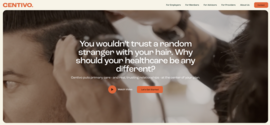
People are choosier about their hairstylist than their doctor.
It’s funny. It’s uncomfortable. And it’s instantly true.
You’ll follow a stylist across town. Wait weeks for an appointment. Trust them with your identity.
But in healthcare? You retell your story to a new person every time and call that normal.
That contrast did something no spreadsheet or product feature ever could: it made the problem of status quo healthcare human.
It reframed healthcare not as a system issue, but as a lived, everyday absurdity. And more importantly, it gave employers and brokers something they could actually feel, not just analyze.
From there, the strategy became clear:
Don’t explain Centivo.
Don’t politely differentiate.
Don’t out-jargon the category.
Say the thing everyone knows but no one says out loud.
That decision repositioned Centivo from “an alternative health plan” to something more active: a company willing to challenge what’s been accepted for too long without sounding bitter, preachy, or naive.
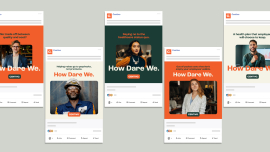
The platform How Dare We came directly out of that stance.
It flips the idea that fixing healthcare is radical:
The tone mattered as much as the idea: be bold, but don’t alienate. No bitter industry takedown. Because the goal wasn’t to call people out, it was to call them in.
That balance is what made the work effective.
Instead of forcing a rational decision, the campaign created emotional permission. It made choosing something better feel less like a risk, and more like the obvious next step.
And once that shift happened, the rest followed:
Not because the media plan was revolutionary - because the strategy gave people something they could join.
In a category that defaults to complexity, the breakthrough was simple:
If you want people to change a system, start by showing them how strange it already is.